
Posted July 29th 2026
The summer school brings together early career researchers and clinicians to explore the latest advances in neuroscience, psychiatry and neurology.
Since its launch in 2010, the summer school has provided a unique opportunity for trainees from a wide range of scientific and clinical backgrounds to gain first-hand experience of brain disorders research at one of the world’s leading centres for neuropsychiatric genetics and genomics.
Held over four days at Cardiff University’s Hadyn Ellis Building, the 2026 programme offered participants an intensive introduction to key areas of contemporary brain disorders research. Sessions covered high-throughput sequencing, copy number variations in neurodevelopmental disorders, neuroimaging, child and adolescent psychiatry, Huntington’s disease, deep brain stimulation, stem cell technologies, and the social and ethical aspects of genetic testing.
Delegates also experienced Cardiff University’s world-class research facilities through guided laboratory tours and visits to the CUBRIC neuroimaging centre. Throughout the week, attendees met leading researchers and clinicians working across genetics, neuroscience, neurology and psychiatry, gaining valuable insight into both research and clinical careers.
Networking and international collaborations
Alongside the scientific programme, the summer school included workshops on scientific careers and academic fellowships, helping participants to consider future pathways in research and clinical academia. Informal networking sessions, including the popular pizza and posters evening, provided opportunities for attendees to share their own work and connect with other early career researchers from the Division of Psychological Medicine and Clinical Neurosciences.
This year’s school also highlighted the international reach of the division’s research with attendees joining from India, Japan, the United States, and Spain. Attendees included a research group from Nigeria, led by Professor Taiwo Lateef Sheikh, which has further strengthened connections with global research collaborators.
Participants praised both the breadth of the programme and the opportunities it created for networking and collaboration. One attendee commented: “The programme brought together an inspiring group of researchers and clinicians, and the combination of lectures, laboratory tours and discussions gave me a much broader understanding of brain disorders research.
“The networking opportunities were also invaluable – I so enjoyed being able to connect with different colleagues from all over the world, and now we’re planning on attending international conferences together!”
A thoughtful and well organised programme
Many attendees highlighted the accessibility of the summer school, which offers free student accommodation for participants travelling from outside Cardiff, subject to availability. The programme has long aimed to remove barriers to participation and encourage applications from researchers at all career stages and from around the world.
Another participant reflected on the impact of this support: “Many thanks for this opportunity. This summer school not only provided accommodation, which is a major help especially for students, but had also very carefully selected lectures, workshops and networking opportunities. Thank you once again for such a thoughtful and well-organised programme.”
The lasting impact of the summer school can be seen in the career journeys of many former attendees. Past participants have gone on to undertake postgraduate research, join Cardiff University’s research teams and establish new collaborations internationally. The programme continues to educate and inspire the next generation of researchers and clinicians, showcasing how advances in genetics, neuroscience and mental health research are improving our understanding of complex brain disorders.
Professor George Kirov, academic lead for the summer school, concluded: “Our summer school continues to bring together talented early career researchers and clinicians from a wide range of backgrounds and disciplines. Our aim is not only to share the latest developments in brain disorders research, but also to inspire participants to pursue careers that will advance our understanding and treatment of psychiatric and neurological conditions.”
“One of the most rewarding aspects of the programme is seeing the lasting impact it has on attendees. We are proud to support the next generation of researchers and clinicians working to improve outcomes for people affected by brain disorders.”
Apply for a future summer school
Applications for the next Summer School in Brain Disorders Research will open in spring 2027. Visit the CNGG website to learn more.
Summer School 2026 gallery
A selection of photos taken during the summer school programme and shared by summer school attendees.
-
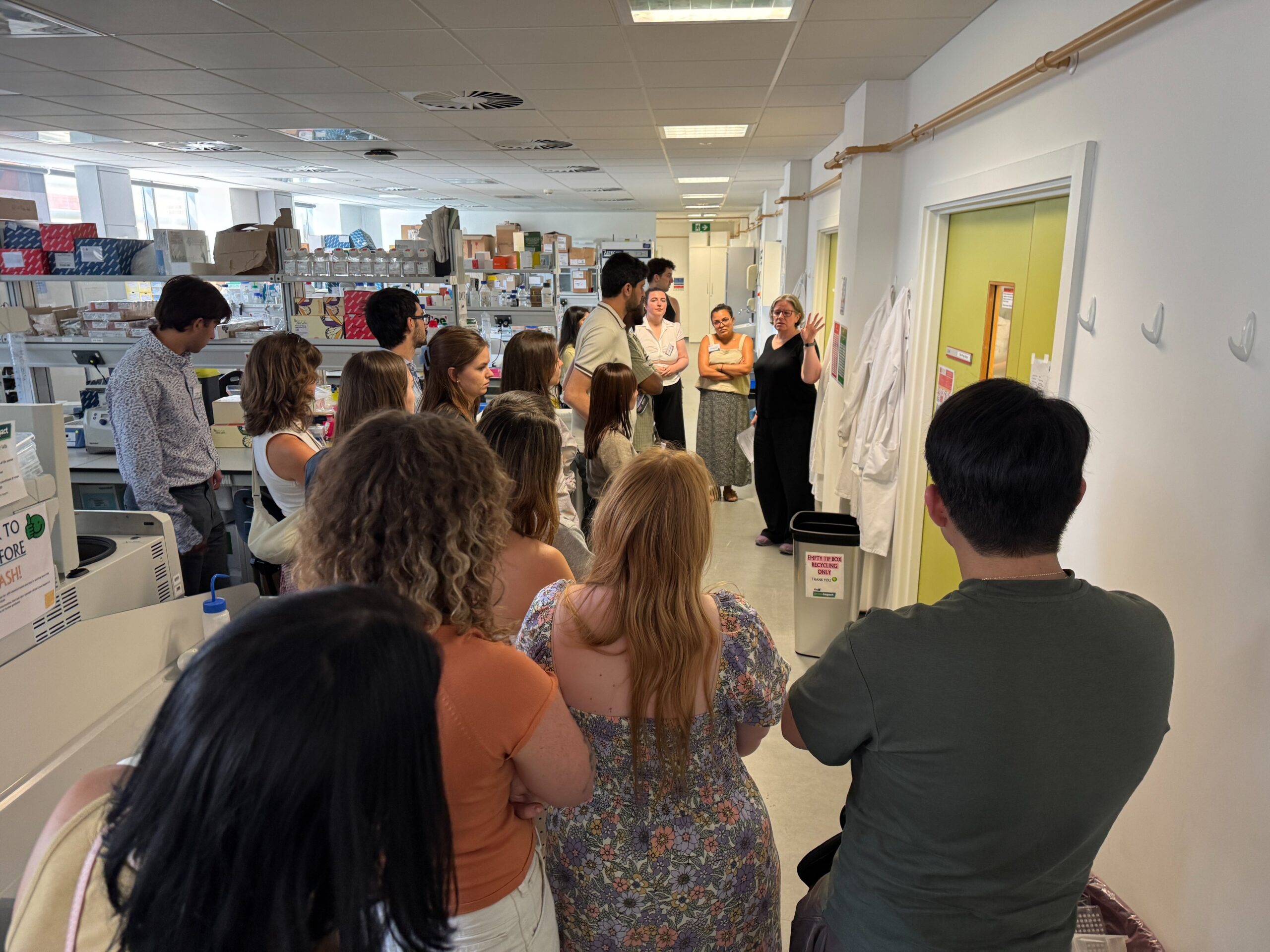
- Dr Alex Evans leads a lab tour for guests.
-
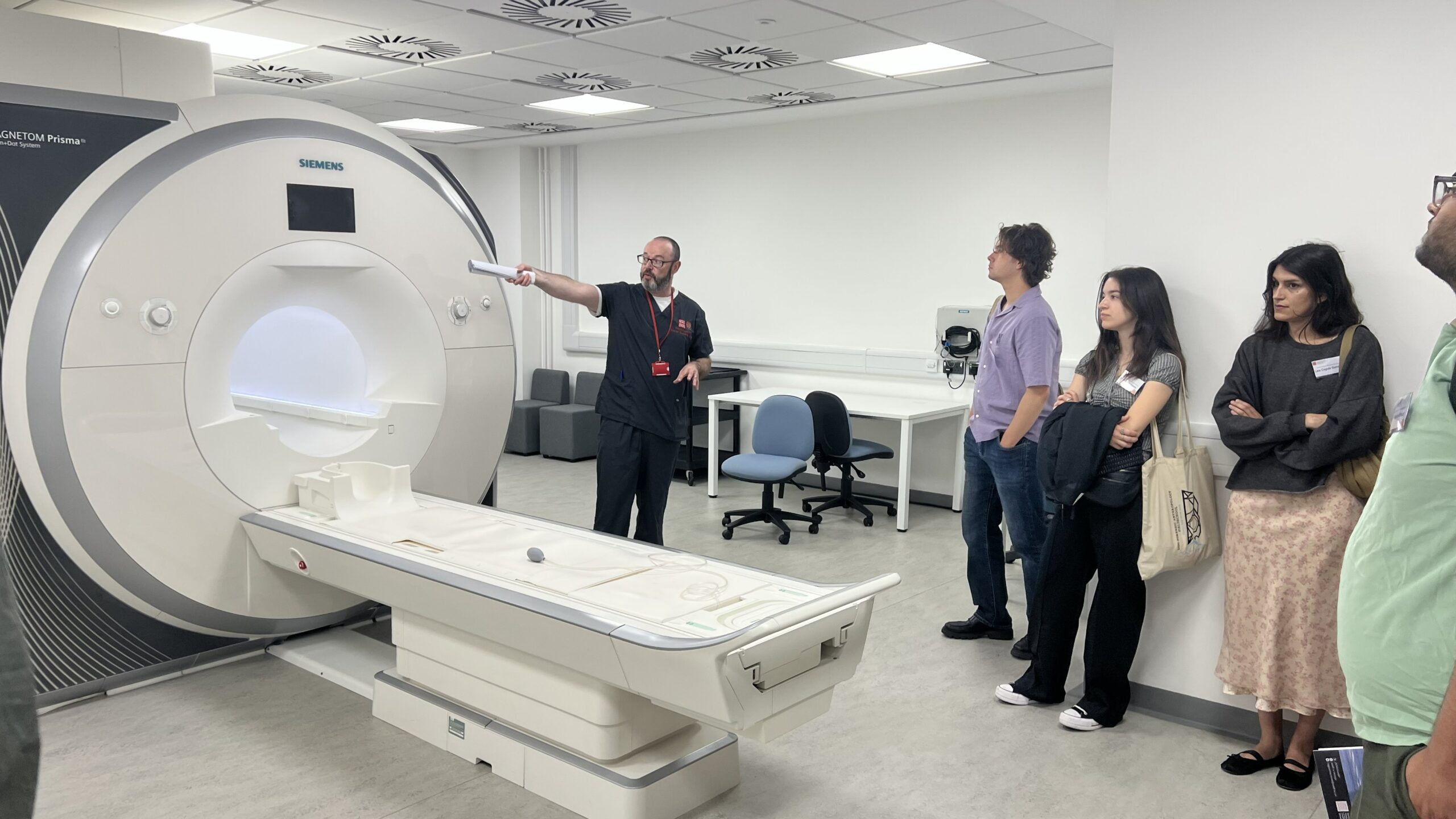
- Lab tours included a visit to CUBRIC’s mock MRI scanner, led by Andy Davidson.
-
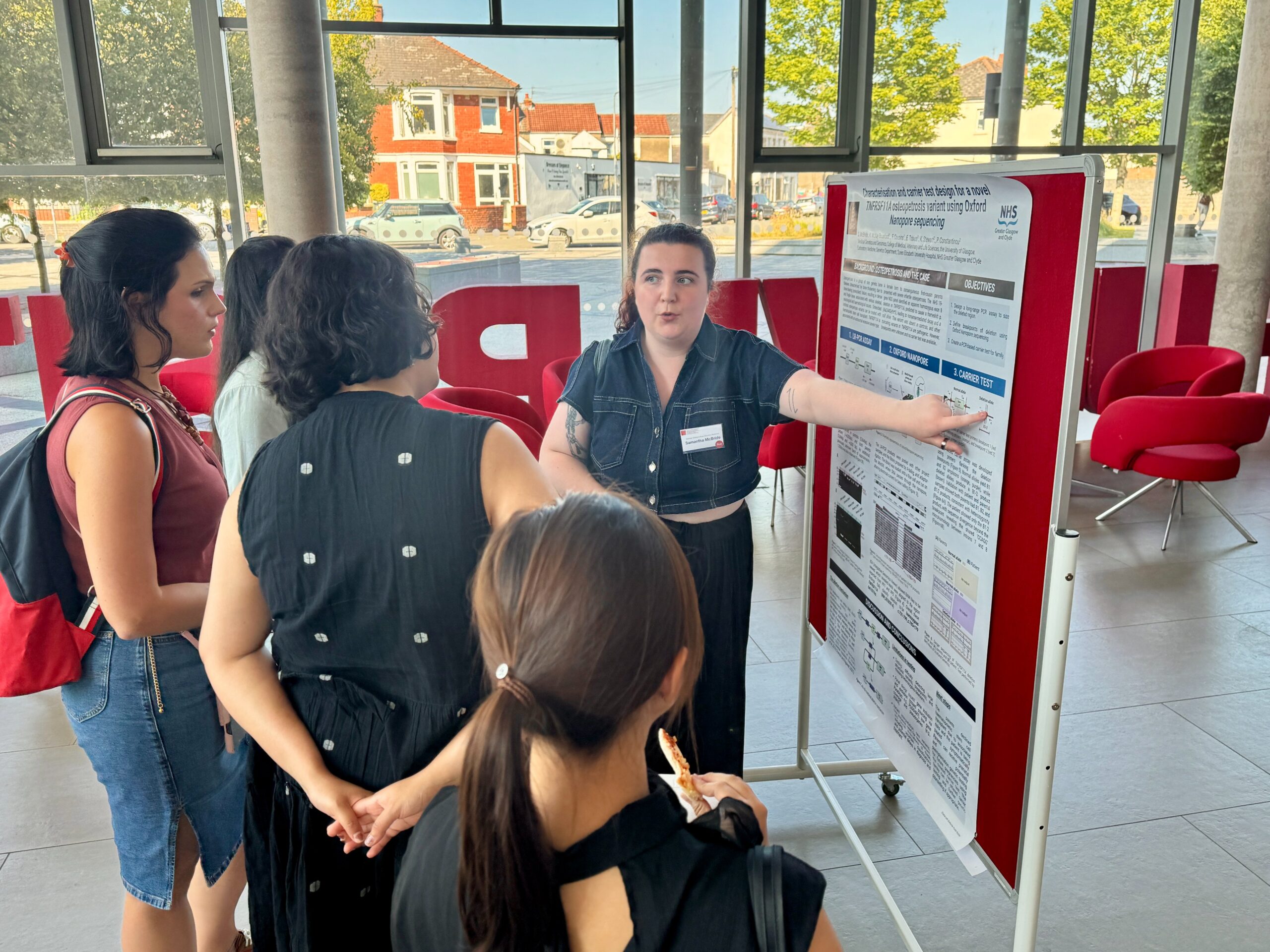
- Poster presentations at the Hadyn Ellis Building.
-
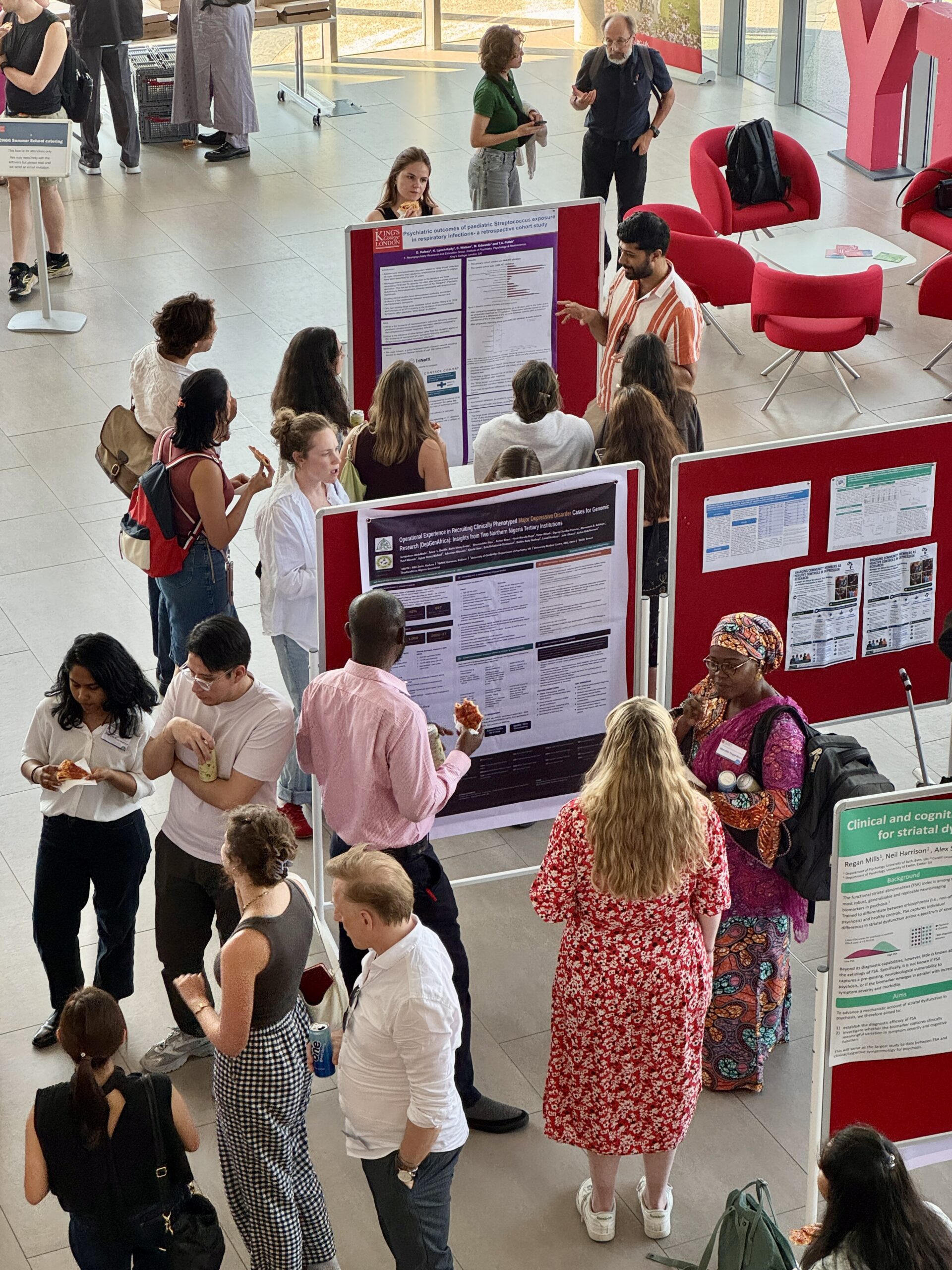
- Poster session and networking over a slice of pizza.
-
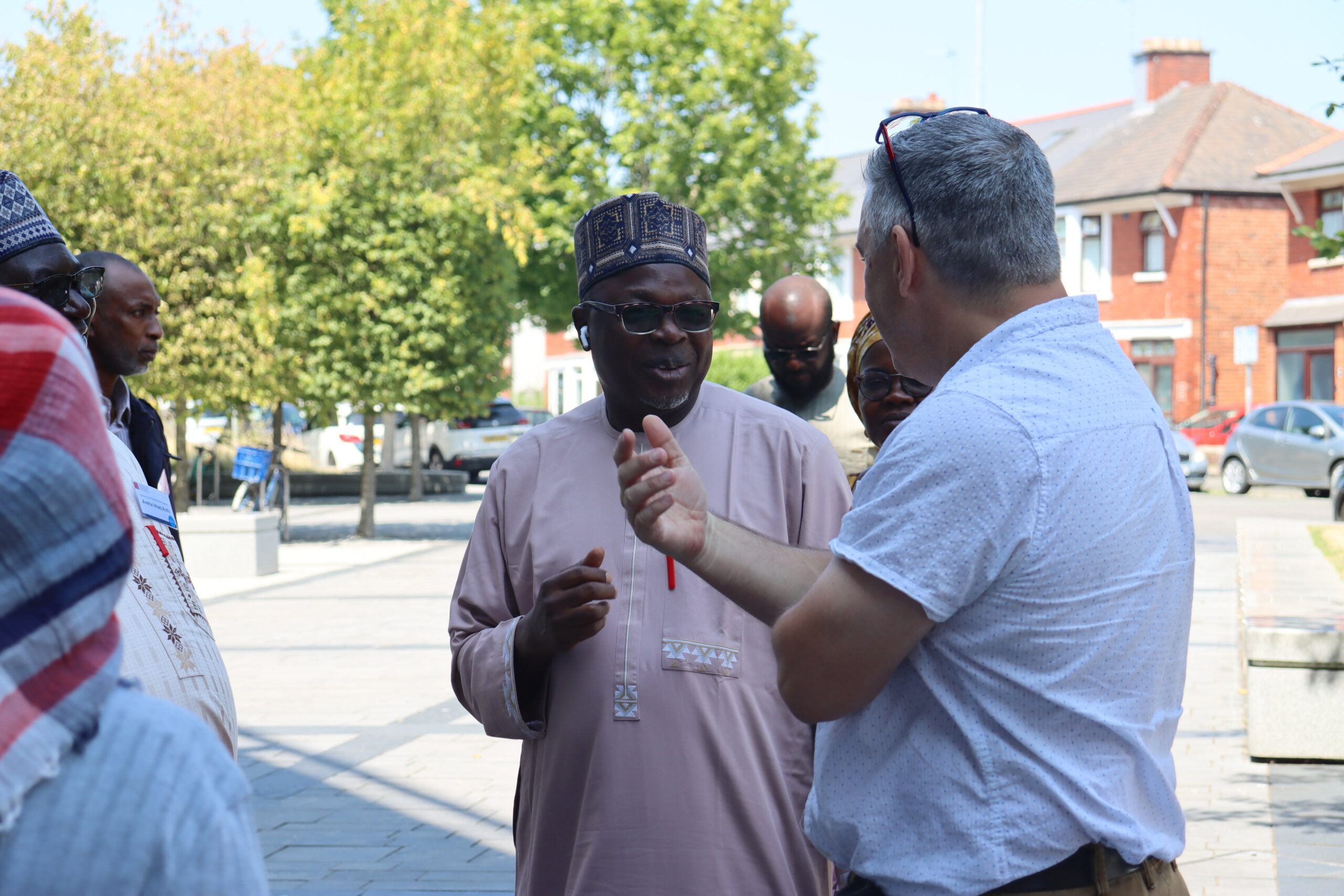
- Professor Taiwo Lateef Sheikh, professor of Psychiatry at Ahmadu Bello University, Nigeria, chats with Professor James Walters, director the Centre for Neuropsychiatric Genetics and Genomics.
-
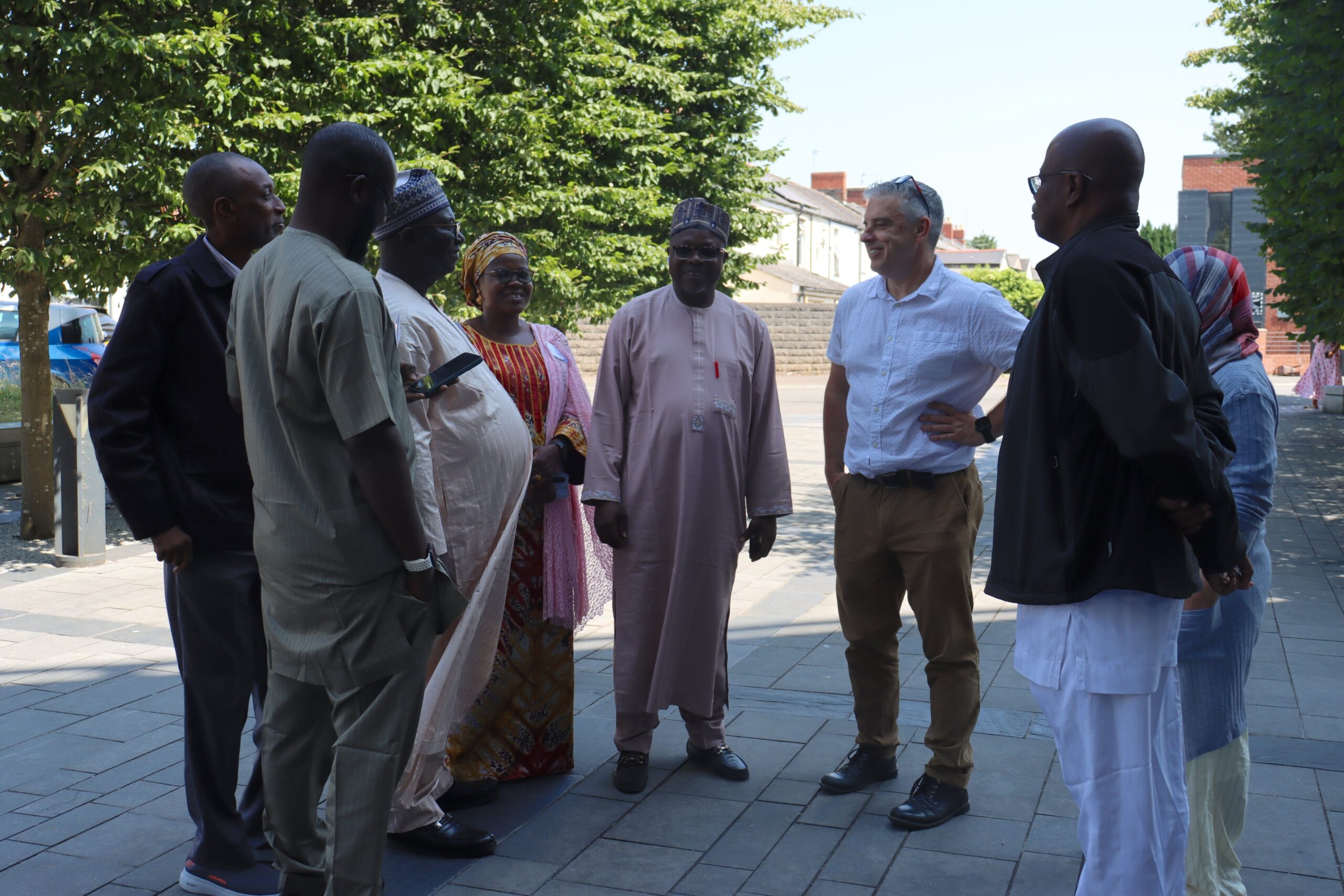
- The Nigerian research group meet with Professor James Walters.
-
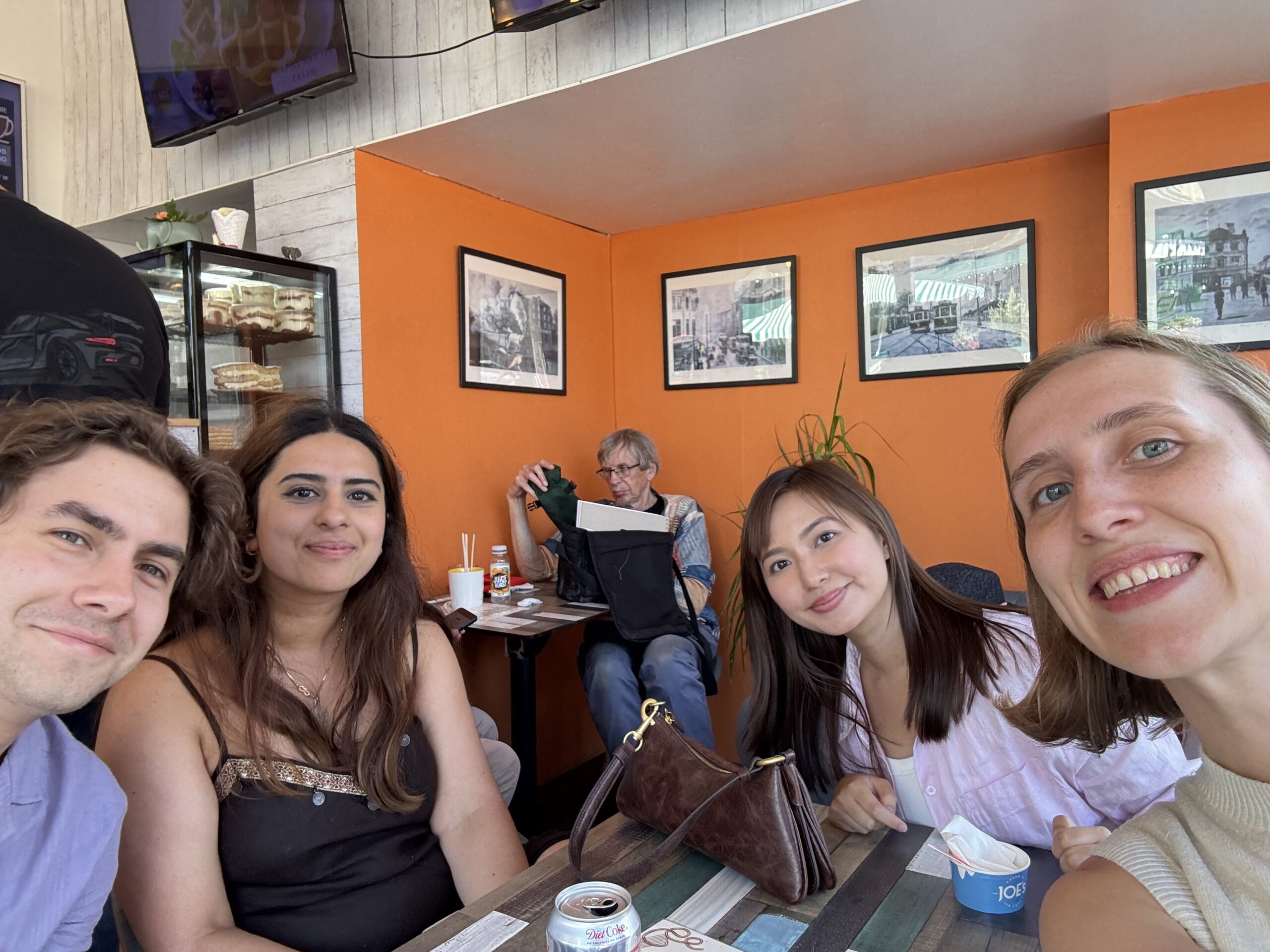
- Making new connections with colleagues from around the world.
-
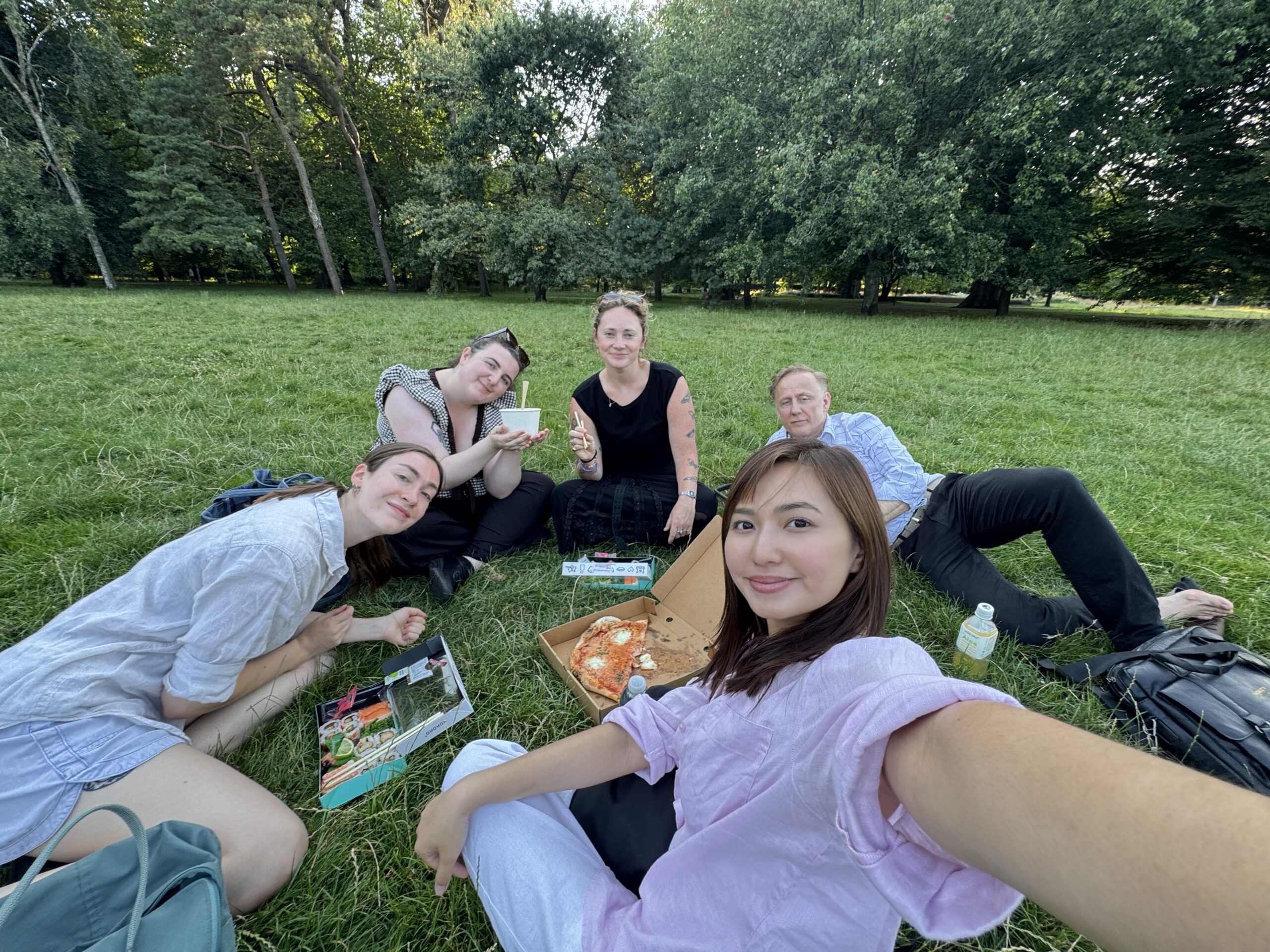
- Attendees explore Cardiff’s green spaces.
-

- And Cardiff’s food offerings!
Subscribe to our blog
Sign up now and receive new blog posts to your inbox.