
Posted June 03rd 2026
The relaunch event brought together researchers, clinicians, public contributors and third-sector organisations to highlight how public involvement is shaping the future of mental health support, research and services. It included a series of keynote talks, workshops, lunch and exhibition of active NCMH studies and interventions.
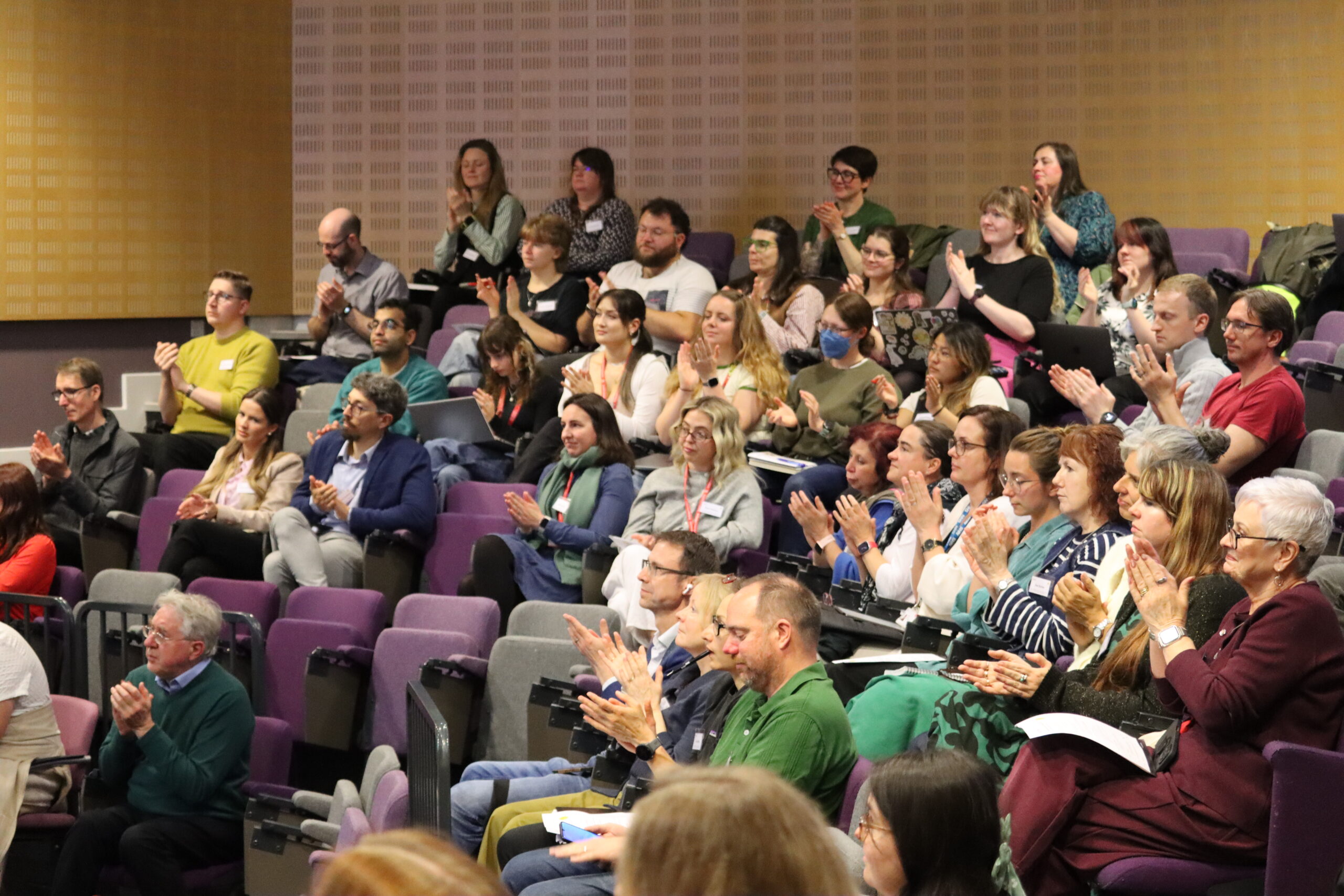
Opening the event, Professor Jon Bisson welcomed over 100 attendees and reflected on the NCMH’s long-standing impact.
NCMH is one of the longest-running research centres funded by Welsh Government through Health and Care Research Wales,” he said.
Since 2011, NCMH has continued to make a dramatic impact on the mental health and wellbeing of people in Wales by:
- Recruiting over 36,000 people to take part in mental health research, a growing number of people now known as the ‘Research Community’. Join today.
- Developing high impact support and treatments which are utilised in the NHS such as the Spring digital therapy for post-traumatic stress disorder and the Bipolar Education Programme (BEP-C)
- Raising awareness and tackling mental health stigma through public involvement, engagement and knowledge activities
- Leveraging research funding to support other major mental health research projects.
Professor Bisson attributed the success and impact of NCMH’s research on key collaborations with a variety of groups including:
- experts with experience of mental health problems
- the NHS in Wales and England
- third (voluntary) sector organisations
- international academics
- the commercial sector
Help us continue our work by joining the Research Community
Professor Bisson called upon attendees and the public to join the NCMH Research Community and provide anonymous data that will help researchers to:
- prevent mental health problems
- spot them sooner
- provide better support and care
It involves completing a 10-to-15-minute survey, providing basic information about you and your experiences of mental health. It’s open to anyone aged 16+, whether you’ve experienced mental health problems or not.
Once you’ve signed up, you may be invited to take part in other NCMH studies, which may be paid or unpaid. You’ll also get access to the latest news, podcast episodes and upcoming events.
A wider ambition for person centred and needs-led mental health support
At the event, Dr Chris O’Connor, Clinical Lead for the Strategic Programme for Mental Health outlined ambitions for open-access mental health support in Wales, describing a system designed to provide more person-centred and needs-led care. He considered research centres like NCMH to play a key role in achieving these aims.
“There are increasing numbers of people seeking mental health support,” Dr O’Connor said. “There are real challenges across Wales in terms of delivery.”
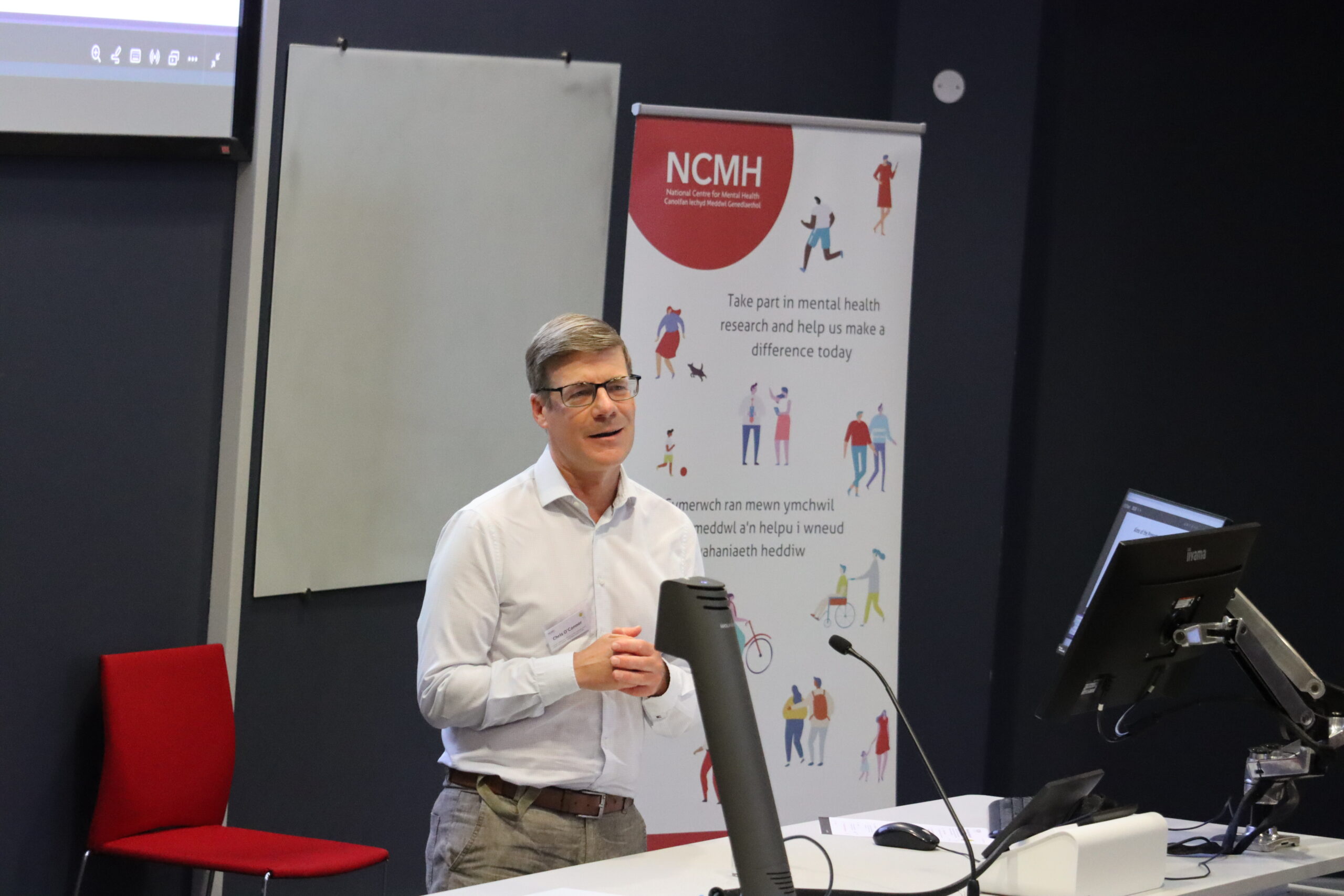
Chris spoke about inconsistencies in access to services and the need to ensure people receive timely support regardless of where they live.
The ambition is for someone who is looking for mental health support to be able to access the service that same day,” he said.
The proposed model, developed in partnership with Canadian organisation Stepped Care Solutions, focuses on empowering individuals to choose the level of support best suited to their needs.
“People will often know what is best for them,” Dr O’Connor said, adding that “minimal interventions can have powerful results.”
The importance of lived experience and public involvement
Lived experience and public involvement was another major theme throughout the day.
Andrea Hughes, speaking about patient and public involvement (PPI), shared her own experiences of dyslexia, deteriorating physical health and poor mental health, and explained how becoming involved in research transformed her outlook.
“PÂR is like a little family,” she said, describing the NCMH public advisory group she now chairs after surviving sepsis. The group has since been recognised with a public achievement award from Health and Care Research Wales.
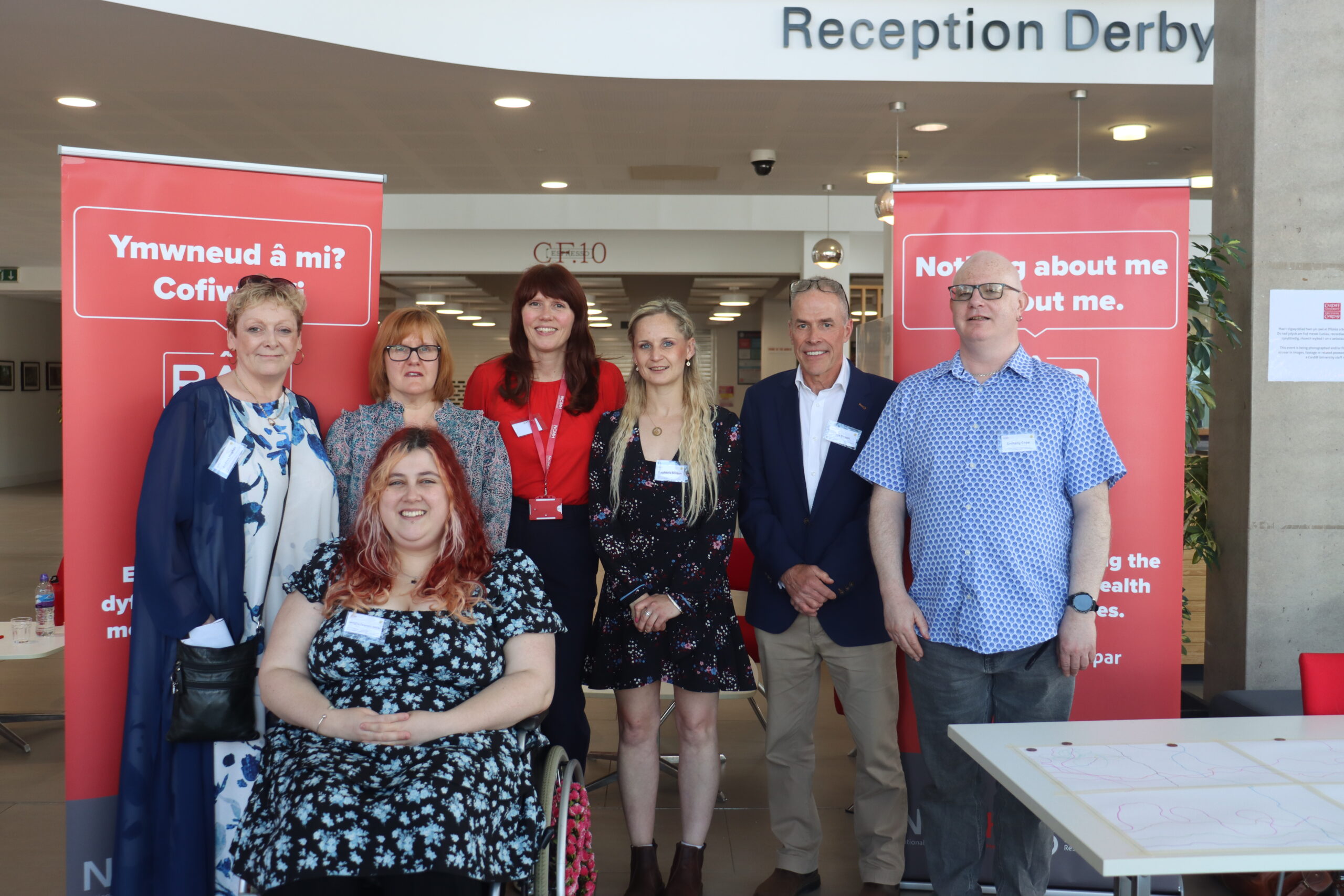 Andrea (back left) and the NCMH Partnership in Research (PÂR) group.
Andrea stressed that collaboration between researchers and the public is essential to meaningful change.
Experts with experience want to help researchers and clinicians by expressing what we think is missing.”
Attendees also discussed the importance of improving representation in research, especially among underrepresented groups and neurodiverse communities.
“Personal touch is so important.” Andrea added.
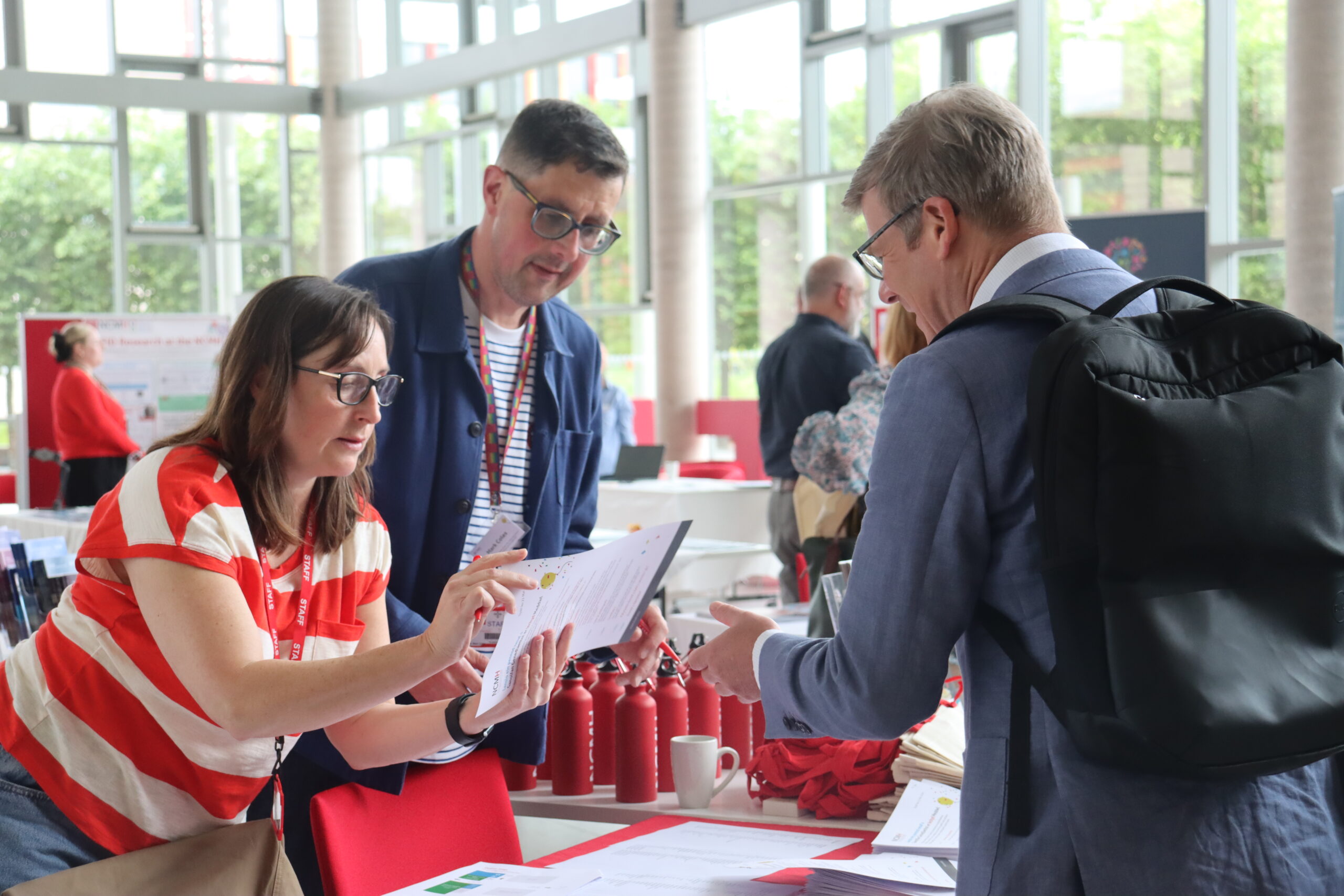
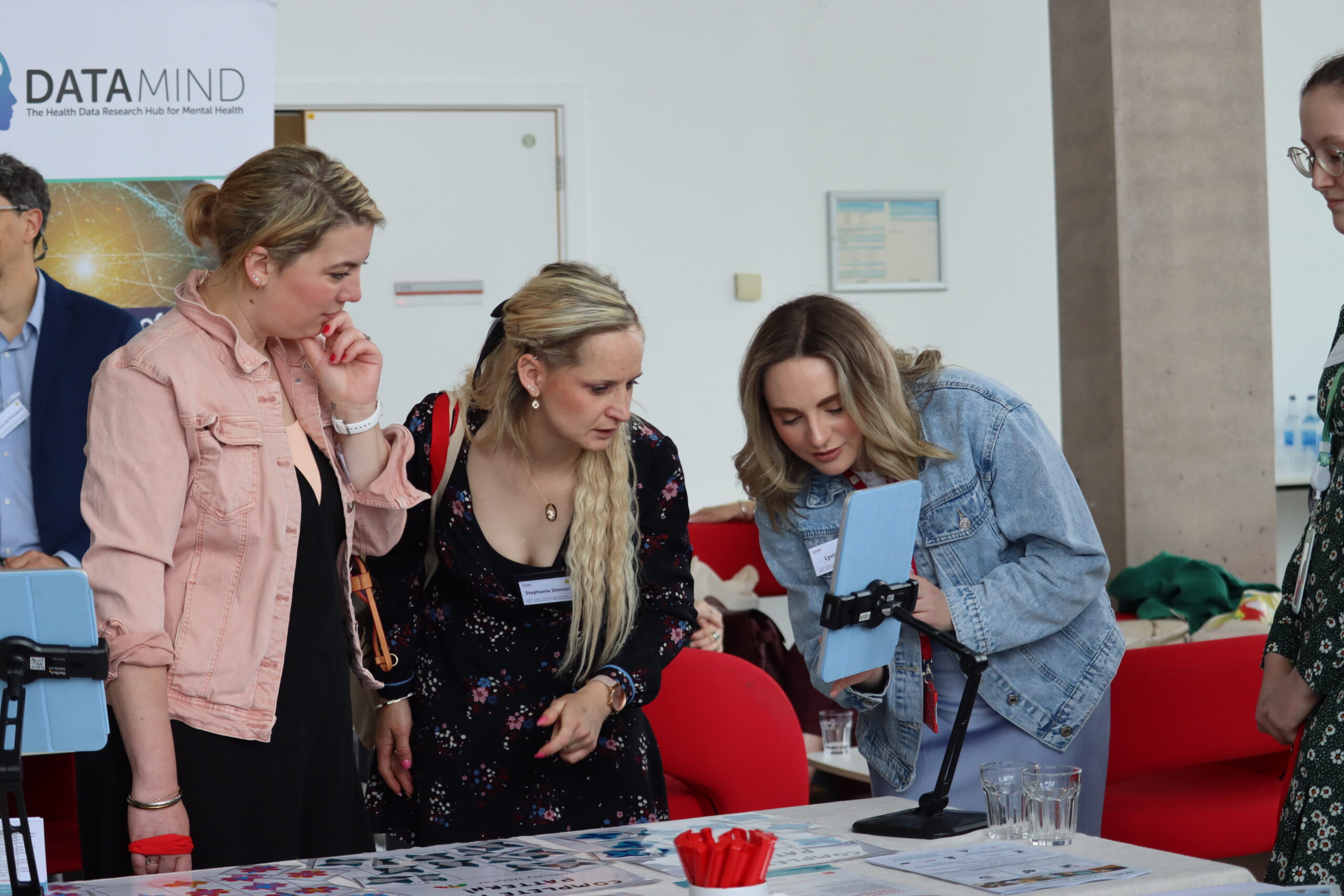
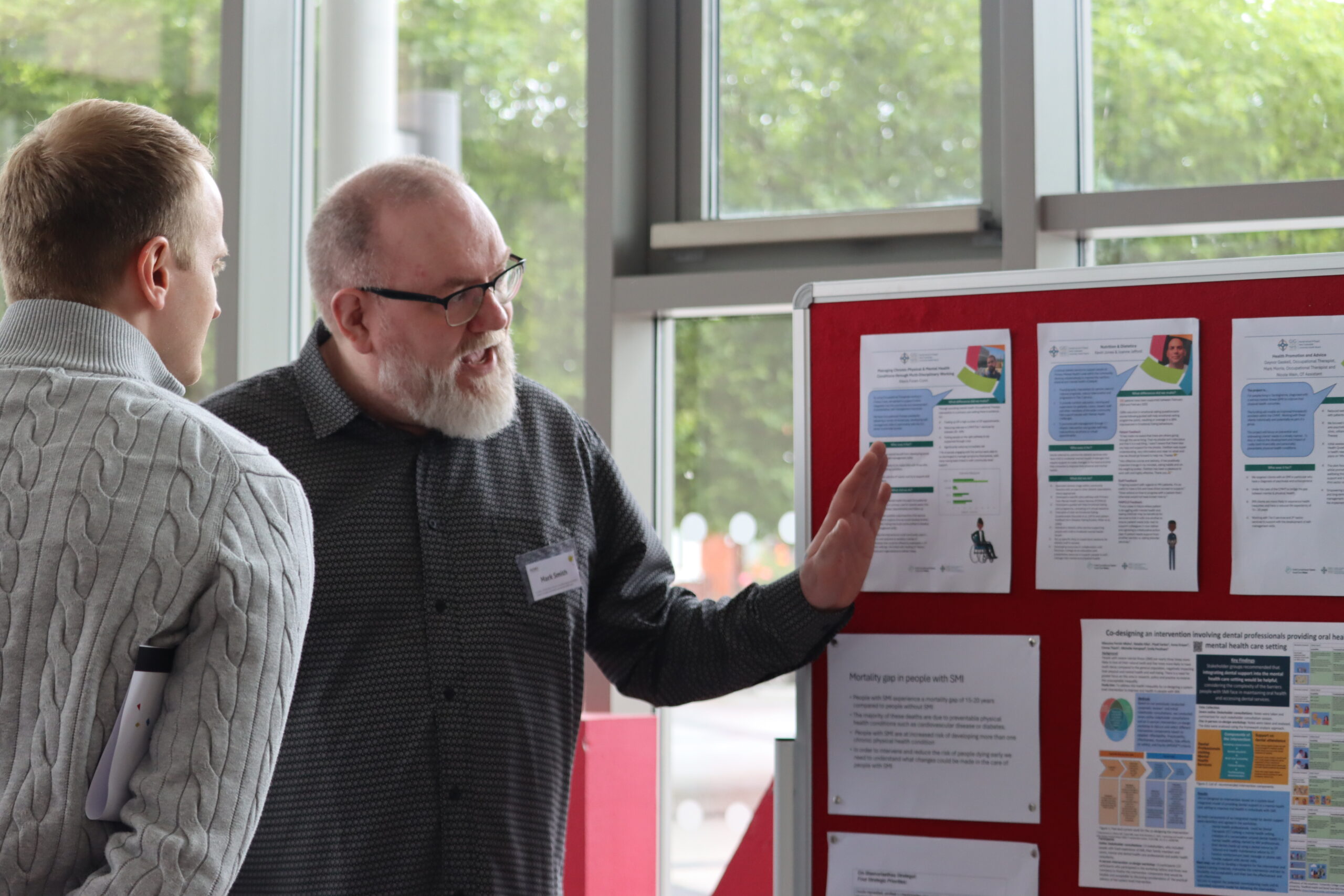
Following the keynote talks, attendees accessed workshops on successful recruitment strategies in mental health research, PPI and the data which NCMH can offer researchers. After, they were invited to a lunch with celebratory cakes and an exhibition of currently recruiting NCMH studies.
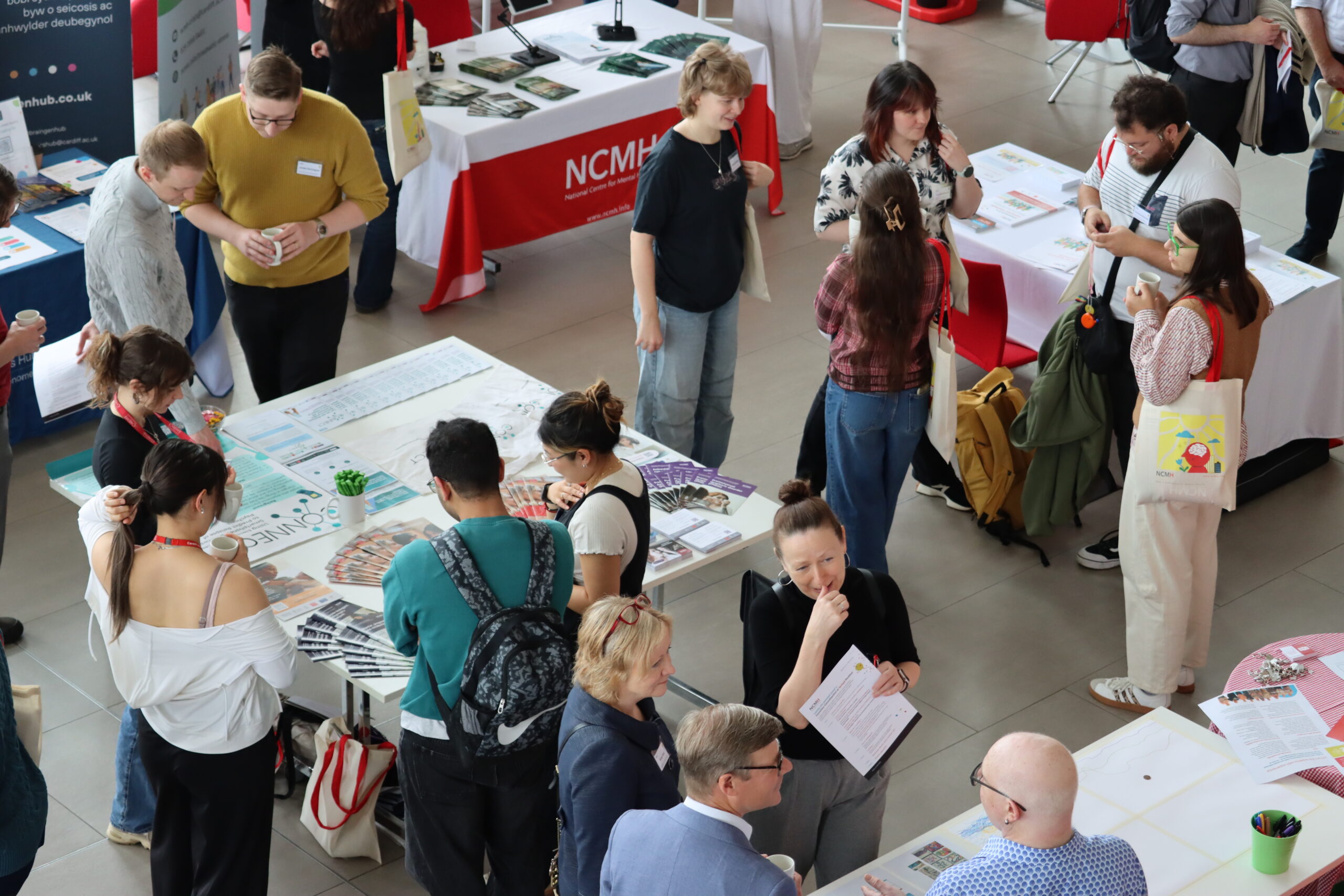
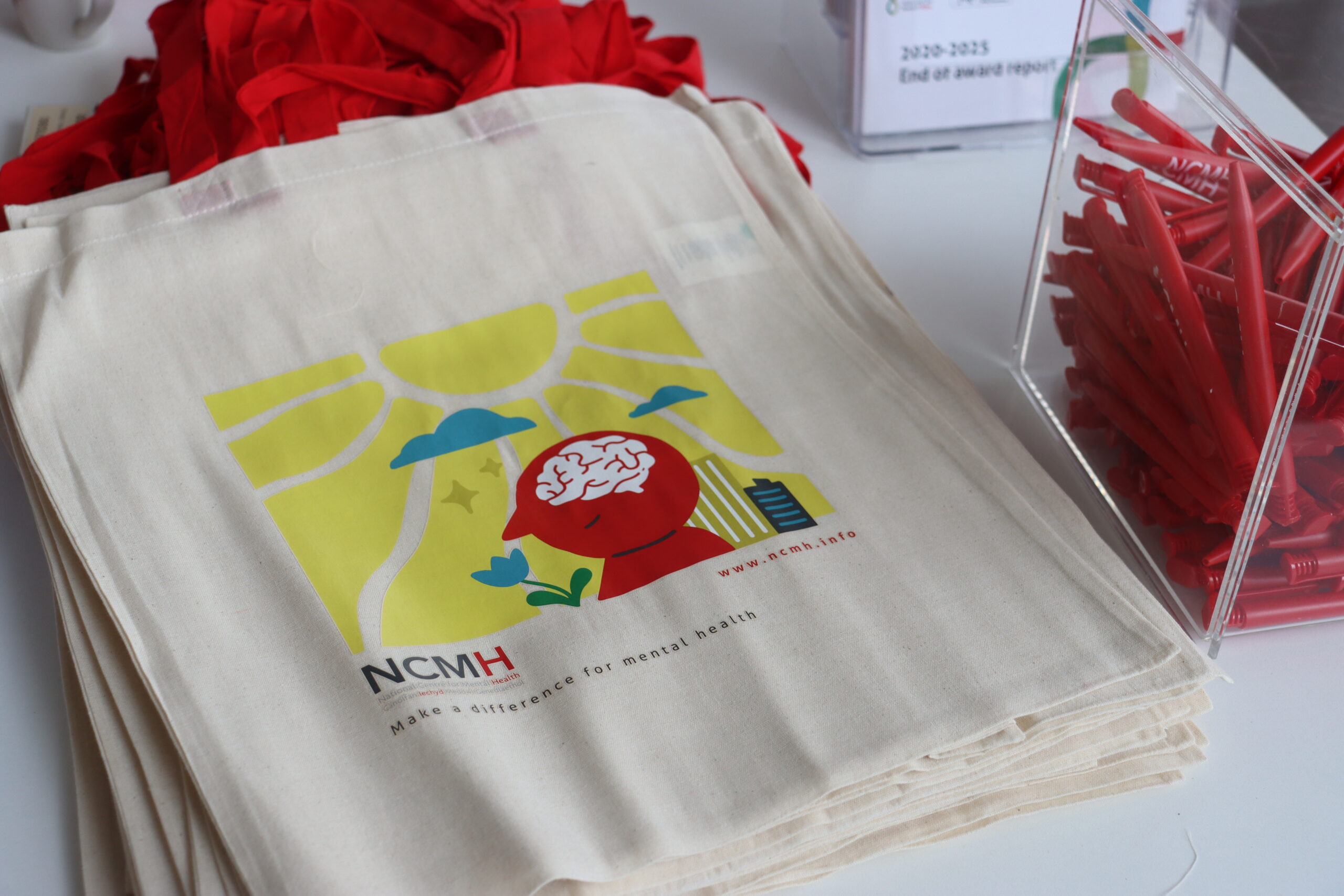
At lunchtime, attendees explored current NCMH research studies and interventions and enjoyed celebratory cupcakes!
The event concluded with reflections from workshop leaders and attendees, including discussions around improving transparency, making research data more accessible and expanding collaboration opportunities, particularly with third (voluntary) sector groups.
A bespoke poem was read out, assembled by disability writer, artist and activist, Rosamund McCullain from words that workshop attendees wrote in response to the prompt: “We make a difference together because…”
Do you work for a third (voluntary) sector organisation?
We’re calling on third (voluntary) sector organisations to help us reach people from all backgrounds so that they are better represented in research. If you’re interested in collaborating with us, email ncmh.info.
Join the Research Community today
Subscribe to our blog
Sign up now and receive new blog posts to your inbox.