
Posted March 03rd 2026
What is community mental health support?
When a person is experiencing mental ill-health, they may be offered various types of medical of clinical support but they may also be signposted to support available in the community. This includes peer support opportunities, drop-in centres, sport, and creative activities, work and housing related guidance delivered by social work or care professionals, and charities.
However, research has previously shown that people with severe mental illness are some of the most marginalised groups in society. Therefore, creating opportunities with people to connect with their communities could bring about positive social outcomes.
A study to find out what works
The study set out to understand what people wanted, needed and valued most from community mental health support. It was led by CFMHAS researcher, Sharon Hutchings, and funded by Health and Care Research Wales.
A total of 497 NCMH research volunteers took part in the survey which asked questions about community engagement, support with employment, education and benefit rights, community participation and community support. People were enormously generous with their responses which were both frank and informative.
“I would like to acknowledge the expertise and insights of all that took part in the survey and thank everyone that participated, I genuinely hope your insights and knowledge can bring about positive changes for community mental health support.”
– Sharon
Key findings from the survey
Positive relationships are essential
Overall, positive relationships were central to community mental health support whether between friends, family, the neighbourhood or social work and care professionals, and charity staff.
People in the survey identified several characteristics that encourage positive relationships:
- Compassion and competence
- Trust
- Kindness
- Empathy
- Understanding
- Non-judgmental
- A personalised approach
Overwhelmingly, people in the survey called for more ‘relational practice’ – where relationship building through trust and respect is a priority to provide more relevant and meaningful support.
One study participant said:
“I value kindness, empathy and understanding the most…I believe that community support services should prioritise building trust, providing emotional support and offering practical assistance.”
Peer support is mutually beneficial
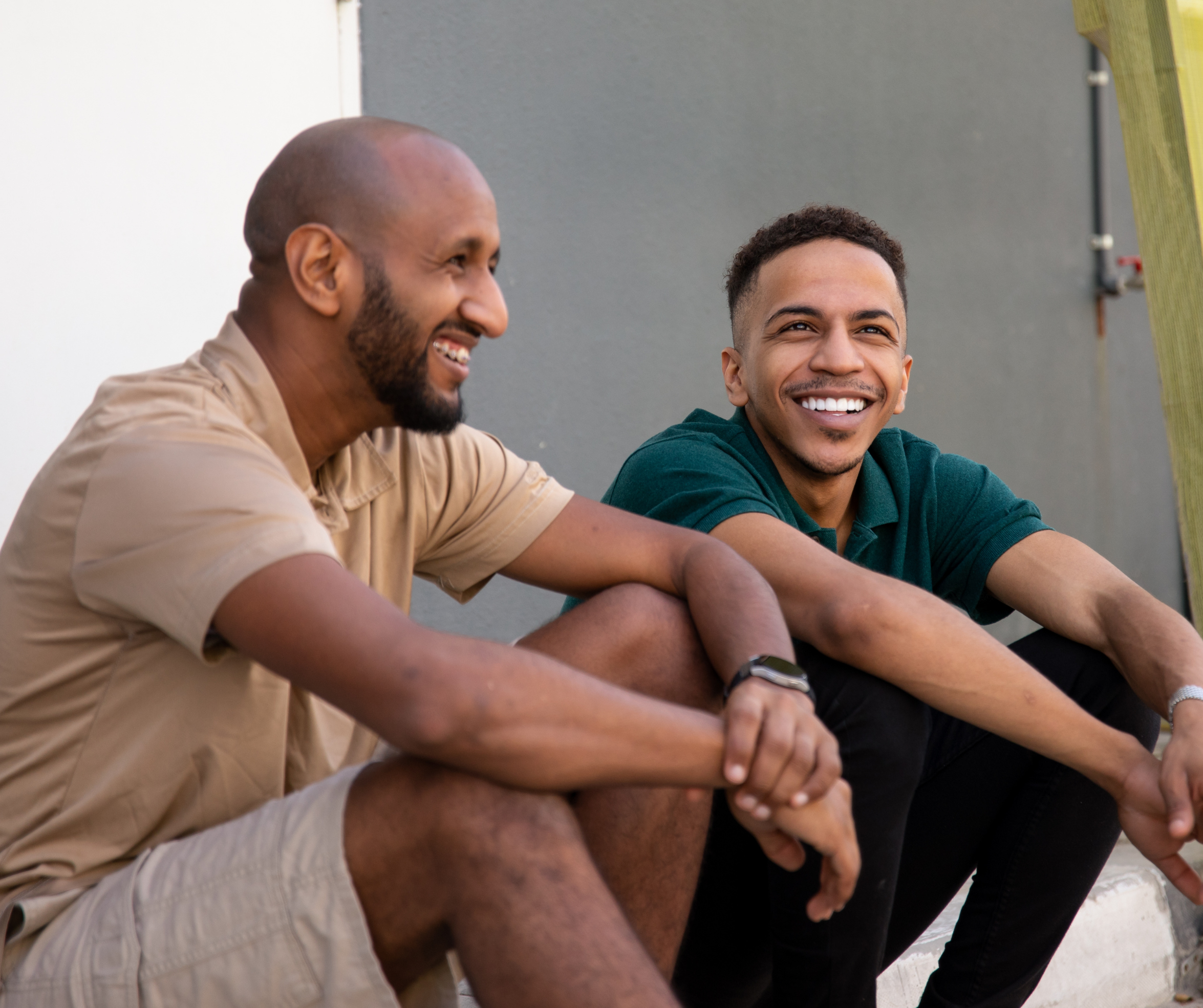
People in the survey also reported that peer support can be as beneficial as more traditional forms of mental health support:
“I have been diagnosed with a bipolar condition and find the peer support I get from our support group invaluable. I would say that, in terms of the benefits to my mental health it’s on a par with my medication.”
On the other hand, people also reported that giving back to the community through their expertise such as providing peer support, advocacy work and volunteering benefitted them too.
A lack of diverse support could worsen mental health challenges
Some people felt that the community mental health support on offer was too general or similar – it did not match aspects of their lives, interests and identities. In some cases, this made people feel more lonely or isolated.
For example, some felt that the support provided was not suited to their age group or working patterns.
“A lot of the mental health support is aimed at people who do not work full time and so it means I have to take time out of work, which can be difficult and leads to feelings of panic and shame.”
Barriers to accessing support also included limited public transport or disability andit was also felt that professionals could be better informed about signposting options.
Lived experience is expertise
Many people felt that their experience could be better valued to inform the development of community mental health support. Some felt that there was a lack of opportunity to get involved with feedback and future planning.
“I believe that community support services should empower individuals, promote autonomy, and provide opportunities for skill-building, education, and goal setting.”
What’s next?
CFMHAS researcher, Sharon Hutchings said:
“Thank you to everyone who took part in the study. It was very informative and clear in terms of what people want from community mental health support.”
The second stage of focus groups is now underway to explore the survey findings in more detail. If you haven’t received your invite and you would like to join this second phase of the research, please contact Sharon on shh23lkx@bangor.ac.uk.
- Learn more about CFMHAS’ current research projects
Subscribe to our blog
Sign up now and receive new blog posts to your inbox.